

Our Services
At HP Electrical we can provide a completely tailored Electrical service at a competitive price. With our service guarantee rest assured that your job is in good hands.
Residential
We are your domestic electrical experts, having many years of experience in carrying out installations, repairs and maintenance work for many clients. We are highly skilled in conducting all domestic work from renovations to entirely new homes, you can trust HP Electrical Services to complete your home to the highest standard.
Our services include but not limited to:
- Inspections
- Electrical Repairs
- Lighting Installations
- Bathroom Renovations
- Dishwasher Repairs
- Electrical outlets/switches
- Exhaust Fan Installation
- Fuse Box Repair
- Losss Of Power Recovery
- Outdoor Lighting Installation
- Power Upgrades
- Safety Switches
- Repair Switches
- Smoke Alarms
- Surge Protection
- Test And Tag
- Underground Cabling
- TV Point And TV Outlets
- Kitchen Renovations
- Cable Installation

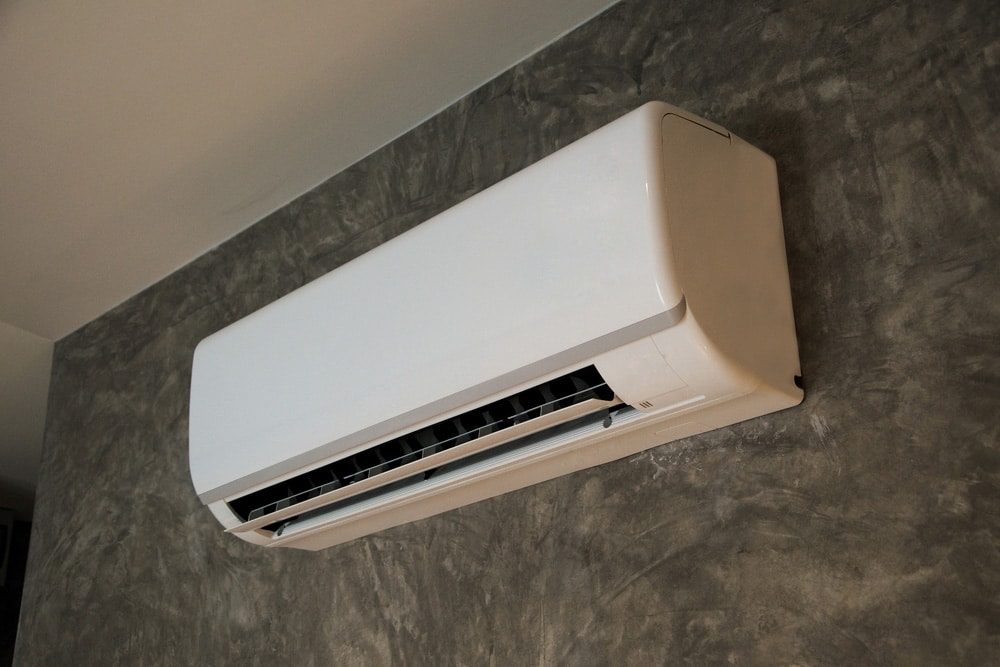
Air Conditioning
Here at HP Electrical we provide complete Air condition installation and maintenance services.
Our installation service involves the proper installation of the unit to ensure efficient cooling and longevity. Inexperienced AC installers will just install and walk away, but with us, we follow laid out plans and parameters as there are specific positioning that help promote the best functionality of your Air Conditioning systems.
While our maintenance services include regular cleaning and inspections to prevent any issues before they arise and ensure the unit operates at peak performance. This preventative care can extend the life of the unit and save significant costs down the line.
Proper installation, repair, and maintenance can ensure that the air conditioning unit works efficiently and reliably for many years, providing cool and comfortable living or working environments.
Smoke Alarams
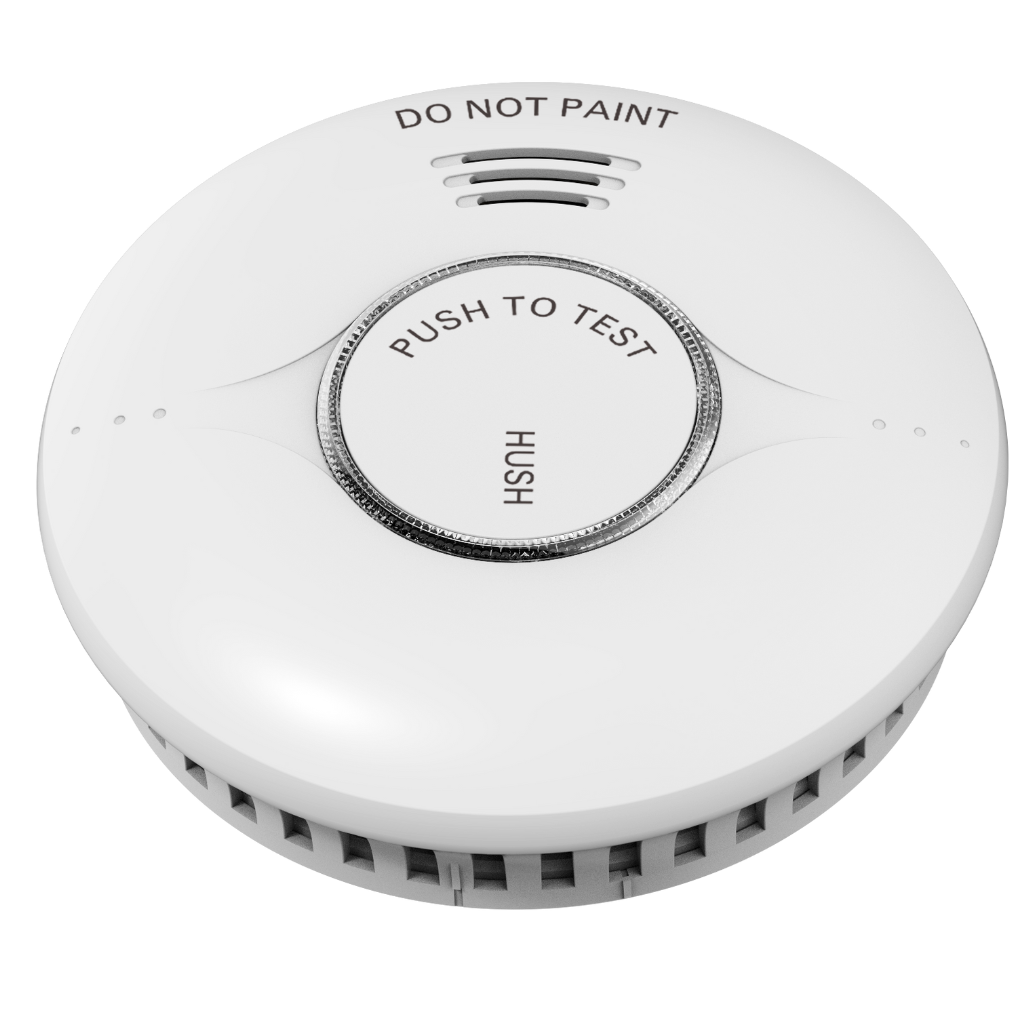
Smoke alarms save lives. Smoke alarms that are properly installed and maintained play a vital role in reducing fire deaths and injuries. If there is a fire in your home, smoke spreads fast and you need smoke alarms to give you time to get out.
New smoke alarm legislation will make Queensland households the safest in Australia in relation to fire safety.
The new legislation specifies that all Queensland dwellings will be required to have interconnected photoelectric smoke alarms in all bedrooms, in hallways that connect bedrooms with the rest of the dwelling and on every level.
What does this mean for your home? To comply with legislation, interconnected photoelectric smoke alarms are required:
- From 1 January 2017: in all new dwellings and substantially renovated dwellings (this applies to building applications submitted from 1 January 2017).
- From 1 January 2022: in all domestic dwellings leased and sold.
- From 1 January 2027: in all other domestic dwellings.
HP Electrical Services is fully qualified to install smoke alarms ensuring they meet the new legislation. Contact us today for a free quote and keep your family safe.
For more information on these changes visit the Queensland Fire and Emergency Services’ website.
FAQ
How does an electrical safety switch save lives?
On a normal power circuit, the current flowing to an appliance returns through the neutral wire. If the circuit is compromised, the electricity can leak to earth through a person in contact with the appliance, causing death or serious injury.
A safety switch detects the loss of power from the circuit, and cuts the supply of electricity in as little as 30 milliseconds – 0.003 seconds. Importantly, this response time is faster than the critical section of a heartbeat, and therefore significantly reduces the risk of death or serious injury.
When should I have an electrical safety check?
Fallon Services recommend that you should have an electrical inspection carried out if:
- You are purchasing a property that has been occupied.
- The property is more that 25 years old.
- If it is more that 5 years since one has been done.
- If you are concerned about how any of the equipment may have been installed.
Is my quote the final price I can expect to pay?
A quote is an estimated price of our service. We are able to provide standard prices for common jobs, however the price may change when we inspect the site and the type of work that needs to be performed
As an example, fault finding is a particular job that’s not easily quoted. It may take 5 minutes to diagnose and fix a problem or it may take a day.
Therefore, it’s difficult to give you an exact price, although we have become so efficient at fault finding that we will generally find and repair most electrical faults within an hour.
What about guarantees and warranties?
We provide a lifetime guarantee on our workmanship. We only use quality proven products and parts that adhere to strict Australian regulations and our Standards (we are picky).
The warranties on individual products, such as air-conditioners, are typically 5 years, but vary between companies.
How often should I be cleaning / servicing my air-conditioner?
Residential units should be serviced yearly at the minimum. Make sure you check the fine print on your warranty certificates, because a lot of companies will not uphold your warranty if you have not serviced your aircon appropriately.
What does an air-conditioning service entail?
- First of all, we test your air-conditioning unit using specific testing equipment, as this tells us how hard your unit is working. We follow this up with a basic service, providing you with a report on any issues we identify and need addressing.
- Isolator testing – making sure there are no faults at the hub.
- Flush the drains and wet vacuum, so there is no mess.
- Visual check of the outdoor unit (compressor).
- Condenser and evaporator coil cleaning.
- A thorough visual inspection of the unit.
- Chemical pressure wash and rinse.
- Anti-mould sterilisation.
- Clean all covers.
- Clean all filters.
How do I know I need a service?
It’s easy to forget that your air-conditioning units need to be serviced on a regular basis. We recommend a 12-monthly service, but if you experience any of the following nine problems, call us ASAP
- Bad or funny smells coming from the unit: If it’s a burning smell please turn the unit off immediately and give us a call. There may be a malfunction and you need new parts, but it’s not safe to leave it powered on.
- Visible mould: If you can see mould on the blades or filters of the unit or even behind the filters, it’s time to have a service. Otherwise you will be breathing in toxins, every time you turn it on.
- Leaking water: If water is leaking from inside the unit, then there is a blockage somewhere and it needs to be serviced immediately. You may also need new parts depending on the level of damage that the leak may have caused.
- Cigarette smoke: Believe it or not, smoking in the house actually leads to the accumulation of tar inside the units. You may need to have your system serviced more regularly if someone smokes inside your home.
- Dust or debris build-up: Even if you don’t use your air-conditioning unit often, dust and debris can build-up inside the unit. When you turn the unit on this dust and debris will be sucked inside the unit, resulting in damage. For the long term health of your unit, you need to turn it on for a little while, every now and again, just to prevent a build-up of dust and debris.
- Poor efficiency: If the unit is working harder than it should or not cooling the room down effectively you need a service.
- Low air flow: If the air flow is diminished or non-existent, this may be a sign it’s time to upgrade your unit rather than having it serviced or repaired.
- Weird noises: Unusual noises coming from the unit may indicate that mechanical components have failed and it either needs to be repaired or replaced.
- Animals: Geckos, ants, roaches, spiders and insects all love to make homes in air-conditioning units. However, when you turn the unit on, all their mess will be blown around your room and you will breathe it in! This is a very good reason to have your air-conditioning unit properly cleaned and serviced.
What factors do I need to consider when choosing a ceiling fan?
- Have a think about where it’s going to be installed and the size of the room.
- Ask yourself whether you need an extension pole (typically homes with high pitched ceilings need extension poles for ceiling fans).
- Do you need more than one fan for adequate ventilation?
- Think about the type and number of blades you need.
- Consider blade performance, as the higher the pitch of the blades, the more air the fan moves around the room.
- Do you need a ceiling fan with an inbuilt light?
- Think about the aesthetics of the room. Do you want your fan to stand out and be a feature or blend into your decor?
- Can the fan be connected to a wall switch or does it need to be powered by a remote control? Do you want a remote for the convenience factor?
- Will the fan have consistent exposure to moisture and or dust?
What do I need to consider with big kitchen appliances: ovens and stove tops?
- Consider the layout of your kitchen: The positioning of appliances can really narrow down the playing field. Consider the flow of your kitchen and how you use it, high traffic areas and any architectural or structural constraints that may dictate positioning. Your builder or kitchen designer can also help with these decisions.
- What about your budget? You can quickly spend a fortune on top of the range appliances that come with exaggerated prices. Think about what you really want from your appliances and how you use them. Are these appliances for a rental property or your own home? Are you a basic cook or gourmet chef? Do you really need all the added features? However, as the owner of a pyloric (self-cleaning) oven I think it’s well worth the investment!
- What about the space? Consider the size of your space and the legal space that’s required to be around the appliances when installed. For example, cooktops are required to be placed 25mm from any walls.
- Type of appliances: Do you want induction, electric, gas, steam ovens, conventional or fan forced? There are so many options, you need to do your research. Some things to consider are that not every home can have gas, and that induction is an incredibly efficient technology, but comes with a price tag and limits cookware options.
- Finishes: These are the little decorative touches that match your home’s décor, feel and style. So think about handles and knobs, as well as a touchscreen and illumination for your kitchen. They may look impressive, but are they functional and easy to use? Stainless steel, black, white, matte, gloss … the list is endless. Try creating a mood board that integrates all your decorative choices to see which finishes work the best.
- BUY SMART! Do your research on brands and retailers and shop around for deals. A good retailer will be a wealth of knowledge and can often help with the complexity of installation requirements that are unique to your kitchen and the products you choose.